

Hear from Our Customers
You’ve noticed the smell. Maybe you’ve seen discoloration on the ceiling or behind furniture. Or someone in your house has been coughing more than usual and you can’t figure out why.
Mold doesn’t always show itself. Sometimes it hides in walls, under floors, or in crawl spaces where humidity does its damage quietly. By the time it’s visible, it’s usually been growing for a while.
That’s where professional mold testing comes in. Not a free inspection from a remediation company trying to upsell you. Not a DIY kit that gives you surface-level guesses. Real testing means air samples, surface samples, moisture mapping, and lab analysis that tells you exactly what you’re dealing with.
If there’s mold, you’ll know the type, the concentration, and where it’s coming from. If there isn’t, you’ll have documentation proving your air quality is safe. Either way, you’re not guessing anymore.
We serve Steinsburg, PA and the surrounding Bucks County area with one clear focus: independent mold testing you can trust. We’re not trying to sell you a removal job before we’ve even finished the inspection.
That’s the problem with most companies offering “free mold testing.” They’re grading their own work. We don’t remediate, so we have no reason to exaggerate what’s happening in your home.
Steinsburg’s older housing stock and Pennsylvania’s humid summers create the perfect conditions for mold growth. Homes built before central air and modern moisture barriers are especially vulnerable. We’ve tested hundreds of properties in this area, and we know what to look for—and where it hides.
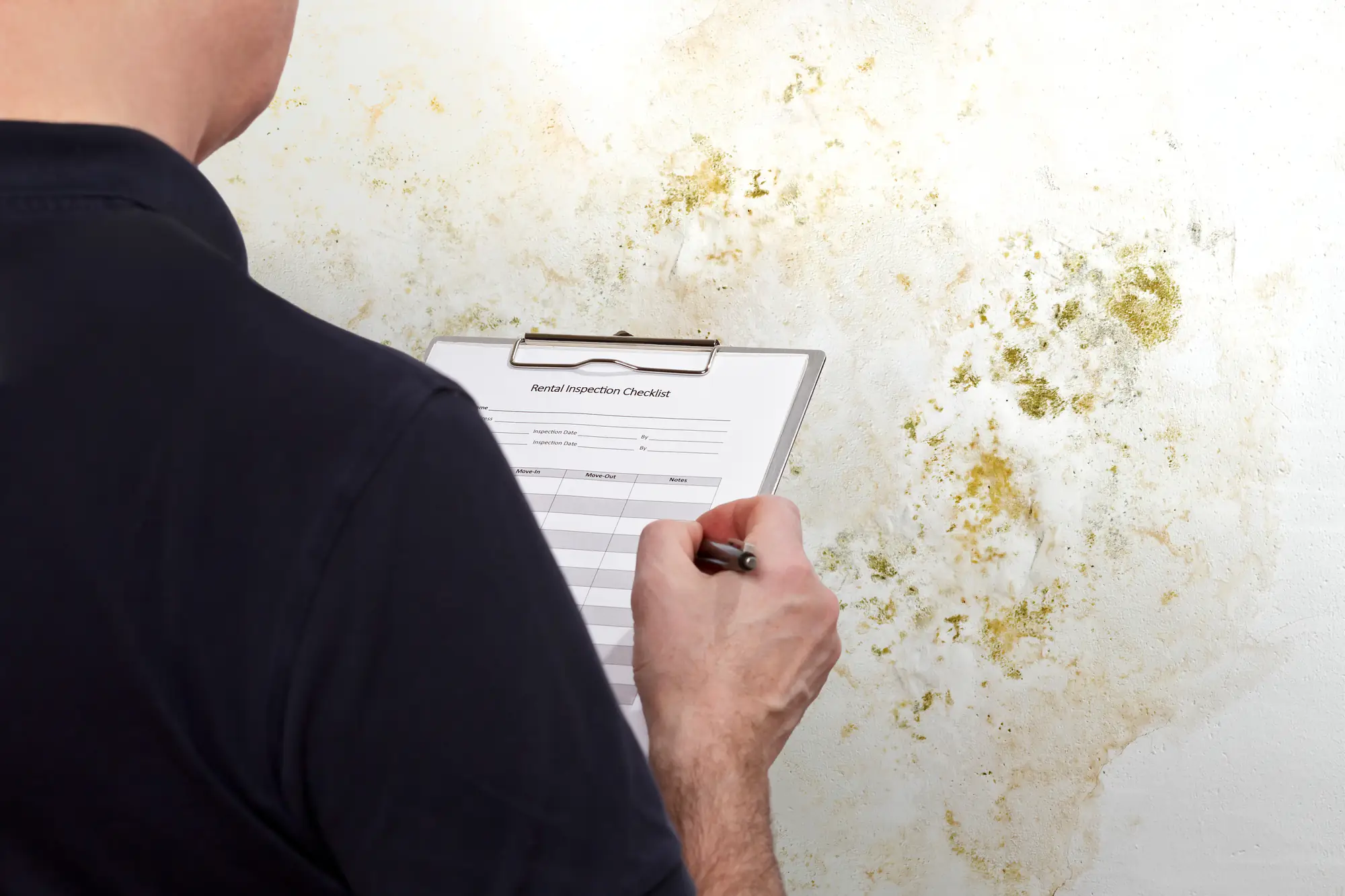
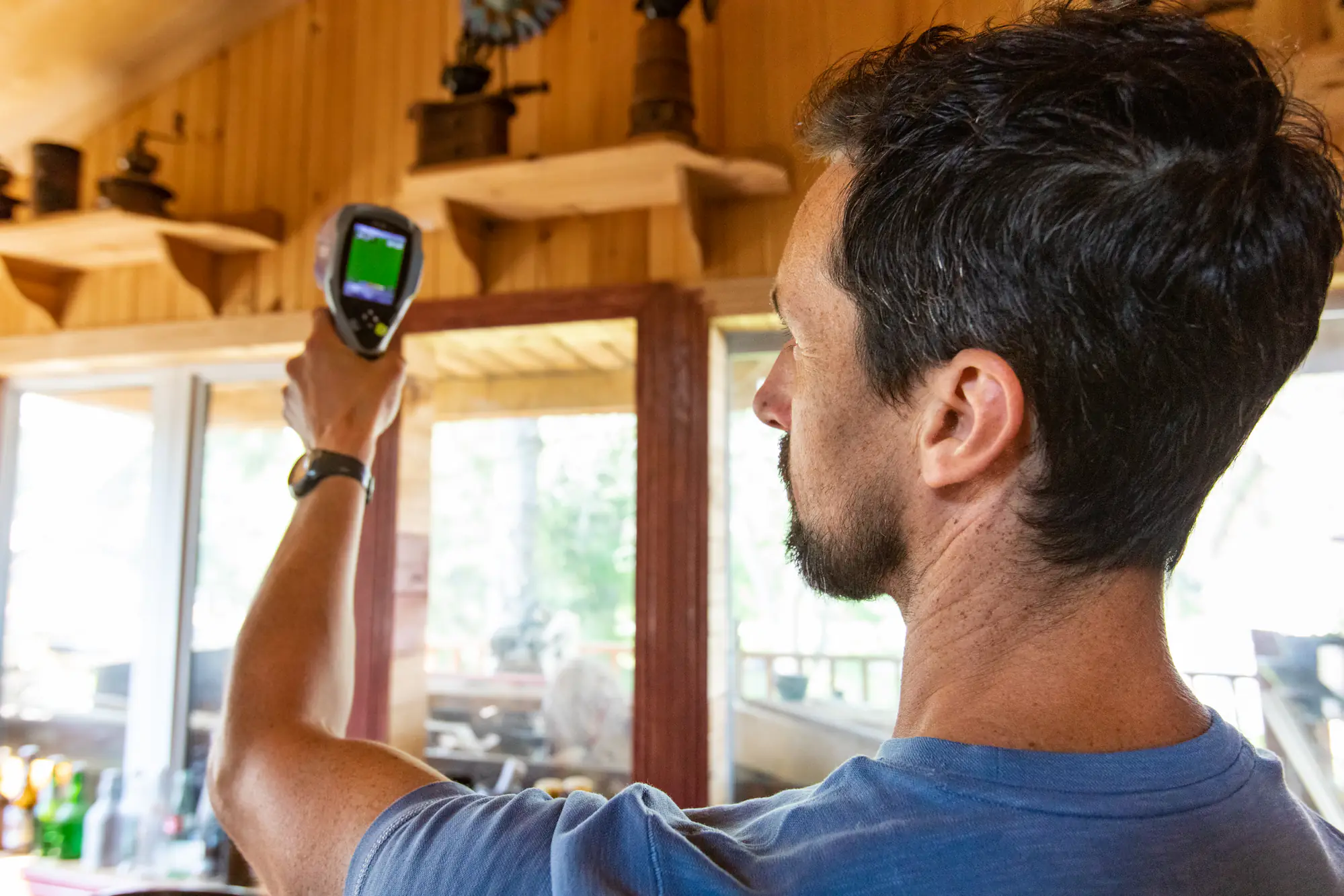
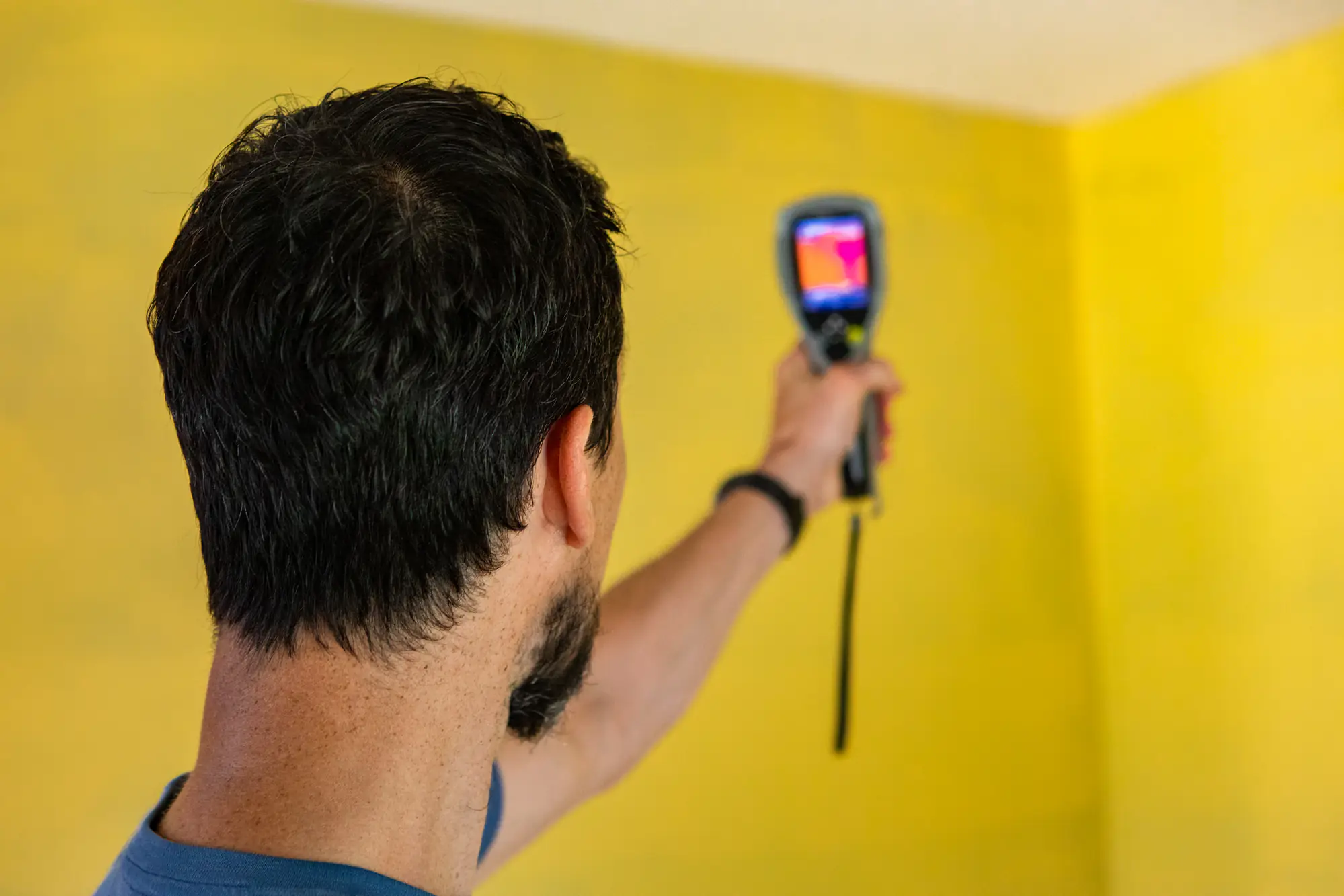
We start with a visual inspection and moisture mapping using thermal imaging cameras. These cameras detect temperature differences in your walls, floors, and ceilings that indicate trapped moisture—often before mold becomes visible.
Next, we collect air samples and surface samples from areas of concern. Air sampling captures mold spores that are circulating through your home but haven’t settled yet. Surface sampling identifies what’s already growing. Both get sent to an independent lab for analysis.
The lab identifies the type of mold, measures spore concentration, and compares it to outdoor baseline levels. High indoor counts relative to outdoor air usually mean there’s an active source inside your home.
Once results come back, we walk you through the report. You’ll see exactly what was found, where the moisture is coming from, and what needs to happen next. If remediation is needed, you’ll have documentation you can take to any contractor—or your insurance company.
Ready to get started?
Every mold testing appointment includes a full visual inspection, thermal imaging to locate hidden moisture, and air quality sampling in multiple rooms. We also test surfaces where visible growth or water damage has occurred.
All samples go to a certified third-party lab. You’re not relying on our opinion—you’re getting scientific analysis from professionals who specialize in mold identification. The lab report breaks down spore types, concentrations, and health risk levels.
In Steinsburg, PA and across Bucks County, we see the same patterns: basements with poor ventilation, attics with roof leaks that went unnoticed, and bathrooms without proper exhaust fans. Pennsylvania’s humidity doesn’t help. July and August push indoor moisture past the 60% threshold where mold thrives, especially in older homes without modern HVAC systems.
You’ll also receive a written report with photos, moisture readings, lab results, and our recommendations. If remediation is necessary, the report includes a step-by-step protocol any contractor can follow. If your air quality is fine, you’ll have documentation proving it—useful for real estate transactions or peace of mind.
Most residential mold testing in Steinsburg, PA runs between $400 and $800 depending on the size of your home and how many samples are needed. A typical inspection includes 2-3 air samples, surface testing if there’s visible growth, thermal imaging, and full lab analysis.
Some companies advertise cheaper rates, but they’re usually tied to remediation services. If you hire them to test and they find mold, they’re the ones who profit from the removal. That’s a conflict of interest.
Independent testing costs more upfront because you’re paying for unbiased results. But it protects you from unnecessary work and inflated estimates. If you’re filing an insurance claim or dealing with a real estate transaction, having third-party documentation is worth the investment.
A mold inspection is a visual assessment. We look for signs of water damage, check humidity levels, and use tools like moisture meters and thermal cameras to find problem areas. It’s useful for identifying where mold is likely growing.
A mold test goes further. It involves collecting air or surface samples and sending them to a lab for analysis. The lab identifies the specific type of mold, measures spore concentration, and compares it to safe levels. Testing gives you hard data, not just observations.
Most people need both. The inspection finds the problem areas. The testing confirms what’s actually growing and how serious it is. If you’re dealing with health symptoms, planning remediation, or need documentation for insurance, testing is necessary.
DIY kits can tell you if mold spores are present, but they can’t tell you if the levels are dangerous. Every home has some mold spores in the air—it’s unavoidable. What matters is the concentration and the type.
Most DIY kits use petri dishes that collect whatever settles on them over 24-48 hours. They don’t measure airborne spore counts or compare indoor levels to outdoor baselines. Without that context, the results don’t mean much.
Professional air sampling uses calibrated equipment that pulls a specific volume of air through a collection device. The lab then counts spores per cubic meter and identifies species. Some molds are harmless. Others, like Stachybotrys (black mold), produce toxins that affect respiratory health. You need lab analysis to know the difference.
Lab results typically come back within 3-5 business days after we collect samples. Some labs offer rush processing for an additional fee if you need answers faster.
Once we receive the lab report, we’ll contact you to schedule a time to review the findings. We’ll walk you through what was detected, explain what the spore counts mean, and outline next steps if remediation is needed.
If you’re in a time-sensitive situation—like a real estate closing or an insurance claim deadline—let us know upfront. We can coordinate with the lab to prioritize your samples and get results back sooner.
In Steinsburg, PA and the surrounding Bucks County area, we most commonly find Aspergillus, Penicillium, and Cladosporium. These thrive in damp, humid environments and are often found in basements, bathrooms, and attics.
Aspergillus grows on water-damaged materials like drywall and insulation. Penicillium shows up on fabrics, wallpaper, and carpets that have gotten wet. Cladosporium is usually found on wood surfaces and in HVAC systems.
Stachybotrys—commonly called black mold—is less common but more concerning. It grows on materials with high cellulose content, like drywall and wood, after prolonged water exposure. It produces mycotoxins that can cause respiratory issues, especially in children and people with compromised immune systems. If we find Stachybotrys during testing, remediation should happen quickly.
If you can see mold, you know it’s there. The question is whether testing still makes sense, and usually it does—for a few reasons.
First, visible mold is often just part of the problem. Testing can reveal whether spores have spread to other areas of your home through your HVAC system or airflow. Second, lab analysis identifies the specific type of mold, which affects how it should be removed and whether it poses health risks.
Third, if you’re filing an insurance claim, most carriers require professional testing and documentation before they’ll approve coverage. The same goes for real estate transactions—buyers and lenders often want proof of what’s growing and confirmation that it’s been properly addressed.
Testing gives you a baseline before remediation starts and allows for post-remediation verification to confirm the problem is actually solved.
Other Services we provide in Steinsburg